Lipo Sculpt Ripley· Non-surgical aesthetics

Skin Tag Removal Treatment Options Ripley

Have you ever caught a small skin tag on your necklace, noticed it rubbing against your collar, or accidentally nicked it while shaving? Skin tags Ripley are common, and although they are usually harmless, they can be irritating when they catch on clothing or sit somewhere you would rather not have them.

If you are thinking about having one removed, it helps to know what the treatment involves, how your skin might heal and when a growth needs checking before any cosmetic procedure.

At Lipo Sculpt, we want you to feel confident about your choices. Before booking skin tag removal, take a moment to understand the treatment, what to expect and whether it’s the right option for your skin.

skin tag removal

Start with a conversation.

Understand your options before deciding on treatment.

Consultation first

Time to discuss suitability and ask questions.

Understand Your Options

Treatment depends on the diagnosis, the location and nature of the lesion, and the advice of an appropriately qualified healthcare professional.

Enquiries About Our Services

Contact us to discuss our services, availability and suitability requirements.

What Are Skin Tags, and Why Do They Appear?

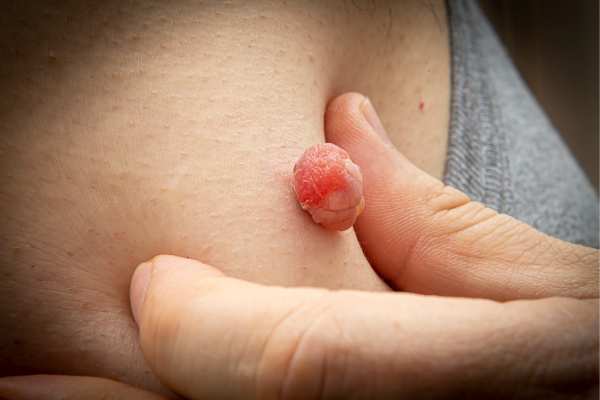
Skin tags, sometimes called acrochordons, are small, soft pieces of skin that typically hang from the surface on a thin stalk. They are usually skin-coloured or slightly darker and can appear on the neck, underarms, under the breasts, eyelids and around the groin.

You might have one, or you might notice several developing over time. They can be tiny and barely noticeable, while others become large enough to catch on jewellery or clothing.

Skin tags tend to appear in places where the skin rubs against itself or clothing. They are also more common during pregnancy and in people with type 2 diabetes. However, having a skin tag Ripley does not automatically mean you have an underlying health problem. [1]

Most skin tags do not need treatment. Some people simply leave them alone, while others look into removal because the growth keeps getting irritated or affects their confidence.

One important point: not every small, raised growth is a skin tag. Warts, moles and other skin conditions can sometimes look similar. If you are unsure what a growth is, get it assessed rather than assuming it is safe to remove.

If a skin tag Ripley has been correctly identified as benign, there are several ways it may be removed.

Common options include cutting the growth away with suitable sterile instruments, using heat or applying a freezing treatment. The right approach depends on the size and position of the skin tag, your individual circumstances and the practitioner’s assessment. [1]

What Options Are There for Skin Tag Removal?

skin tag

How does CryoPen treatment work?

cryopen lesion removal treatment Ripley

CryoPen is a device used for cryotherapy, a treatment that uses extreme cold to target tissue. When used for an appropriate skin lesion, the freezing process damages the targeted tissue, which then goes through a healing process.

You may want to consider this option if you are looking for a treatment that does not involve cutting the skin tag Ripley away with a surgical instrument. However, freezing is not suitable for every growth, and it should not be chosen simply because it sounds convenient.

Before proceeding, ask the practitioner why CryoPen is appropriate for your particular skin tag, what alternatives are available and what results you can reasonably expect.

There are also possible downsides. Freezing treatment may cause discomfort, blistering, temporary or permanent changes in skin colour, and occasional scarring. A skin tag may not be completely removed in one session.

The right approach depends on the CryoPen device being used and the type of skin growth being treated. Not every device or freezing treatment is suitable for every skin concern, so your practitioner should check that it is appropriate before going ahead.

What Happens During a Skin Tag Removal Appointment?

If this is your first skin treatment, you may be wondering what to expect when you arrive.

The first step should be a discussion about the growth you want treated. Your practitioner should consider its appearance, location and your relevant medical history before deciding whether cosmetic removal is appropriate.

You should also have the chance to ask questions about the method, possible side effects, aftercare and the cost before agreeing to anything.

If CryoPen is considered suitable, the practitioner uses the device according to its instructions to apply controlled cold to the targeted area. You may feel a brief stinging, burning or aching sensation. Redness, swelling or blistering can develop afterwards.

The treatment itself may be relatively short for a small skin tag, but the overall appointment also needs time for assessment and aftercare advice. The time required for your appointment may vary from person to person.

Do not assume that the procedure will be completely painless or that you will need the same treatment as someone else. Your practitioner should explain what to expect before starting.

What if you would prefer a home visit?

If having treatment at home would be more convenient, check whether the provider offers home visits in your area. Ask how the practitioner will assess the growth, maintain appropriate hygiene and deal with any unexpected reaction.

A home visit should never mean skipping an assessment or compromising on safety. If the growth needs medical attention, cosmetic treatment should be postponed until it has been properly assessed.

Healing, Aftercare and Possible Side Effects

Once treatment is over, you may be keen to see the result. However, your skin needs time to recover, and the area may not look as you expected straight away.

After freezing, the treated skin can become red or swollen. A blister, crust or scab may form as the area heals. The tissue may darken, dry out or gradually separate, depending on the treatment and your skin’s response.

These changes do not necessarily mean something has gone wrong. Your practitioner should explain which reactions are expected for the treatment you receive and when to seek further advice.

How should you look after the treated area?

A few simple steps can help keep your skin comfortable as it heals:

  • Follow your practitioner’s aftercare advice.
  • Keep the area clean and avoid picking at blisters or scabs.
  • Ask before applying cosmetics or skincare products directly to the treated area.
  • Avoid shaving over the site until you have been advised that it is appropriate.
  • Contact your practitioner or GP if you are worried about how the area is healing.

Try to leave scabs and blisters alone, as picking at them can slow healing and increase the chance of infection or scarring.

What side effects should you know about?

Skin tag removal Ripleyis not entirely risk-free. Depending on the method and the individual, possible effects include:

  • Redness, swelling, tenderness or discomfort.
  • Blistering, crusting or temporary skin damage.
  • Darker or lighter patches of skin.
  • Scarring or delayed healing.
  • Incomplete removal or the need for further treatment.

Changes in pigmentation deserve particular attention if you have darker skin. The NHS notes that skin tag removal can darken the treated area, and the change can sometimes be permanent. [1]

Healing times also vary. Some areas settle relatively quickly, while others take longer. Rather than relying on a fixed number of days, ask your practitioner what recovery is likely to look like for your treatment.

Seek medical advice if pain increases, redness spreads, swelling worsens, or you notice discharge or other signs that could indicate an infection.

A removed skin tag does not usually return in the same place, but new skin tags can develop elsewhere. Removal does not prevent future growths. [1]

Who Is Suitable for Skin Tag Removal?

Treatment may be an option for an adult with a clearly identified, benign skin tag Ripley that catches on clothing, becomes irritated, or concerns you about its appearance.

However, suitability depends on the individual. The growth’s location, appearance, your medical history, and the proposed treatment all matter.

Seek medical advice before considering cosmetic removal in certain situations.

Speak to your GP if a suspected skin tag:

  • Gets bigger.
  • Becomes painful.
  • Starts bleeding.
  • Is accompanied by a sudden increase in the number of skin tags.

These are reasons the NHS advises getting a suspected skin tag checked. [1]

It is also important to have an unexplained or suspicious growth assessed before treatment. A mole, wart, or other skin lesion may need a different approach, and freezing a growth without identifying it could delay the correct diagnosis.

Before booking, tell your practitioner about relevant medical conditions, medicines, allergies and any history of poor wound healing or unusual scarring. They can use this information to assess whether the proposed treatment is appropriate and whether you need medical advice.

If a skin tag is harmless and doesn’t need medical attention, having it removed is usually a personal choice for cosmetic reasons. If you are unsure what the growth is, have it checked before considering removal.

Questions worth asking before you book

If you are comparing treatment options, it is reasonable to ask:

  • How will you assess whether my growth is a skin tag?
  • Why do you recommend this removal method?
  • What are the risks of scarring and changes in skin colour?
  • What aftercare will I need?
  • Who should I contact if I experience a problem?
  • What is included in the price, and could further treatment cost extra?
  • What training and experience does the practitioner have?

You should receive clear answers and have time to decide without feeling pressured to proceed.

Your questions, answered

Frequently Asked Questions Ripley

These answers offer a starting point. Your consultation provides information specific to the treatment and your circumstances.

You may feel stinging, burning or brief discomfort during freezing. The sensation varies according to the treatment method, the location and the size of the growth. Your practitioner should explain what you may feel and discuss appropriate ways to manage discomfort.

Removing a small skin tag is usually a quick procedure. Your appointment will also include time to check the area, talk through the treatment and explain how to care for your skin afterwards. Total time depends on the skin tag’s size and location and the method used.

It is best not to cut, burn, tie off or freeze a growth yourself. What looks like a skin tag could be another type of lesion, and attempting removal can cause bleeding, infection or scarring. The NHS advises against removing skin tags yourself unless a GP recommends it. [1]

A removed skin tag does not usually return in the same place. However, new skin tags can develop elsewhere, and removal cannot prevent them from appearing in the future. [1]

Neither option is automatically better for everyone. Freezing may be appropriate for some confirmed benign lesions, while cutting may be more suitable in other cases. The decision should take account of the growth, its location, possible complications and whether a tissue sample may be needed.

No. A growth that is changing, bleeding, painful or difficult to identify should be medically assessed before cosmetic treatment is considered. The safest option depends on the diagnosis and individual circumstances.

Let's talk about your options

Considering Skin Tag Removal?

If a skin tag keeps catching on clothing or bothers you when you look in the mirror, you may want to explore your removal options.

The important thing is to start with the right assessment rather than choosing a treatment based on appearance alone. Understanding the procedure, its limitations and the aftercare involved will help you decide whether it is suitable for you.

At Lipo Sculpt, you can enquire about available skin treatments and ask questions about suitability before making a decision. Any proposed treatment should depend on an appropriate assessment of the growth and the method being considered.

References and Further Reading

 
This NHS guide explains what skin tags look like, why they may develop and when it is worth getting one checked by a GP. It also covers removal options, possible risks and why trying to remove a skin tag yourself is best avoided.
 
CryoPen manufacturer information: https://cryopen.co.uk/skin-tags/
 
Manufacturer information about CryoPen and skin tags. Any device-specific treatment claims should be checked against the instructions for the exact device used and the relevant evidence before publication.

This page is for general information only and does not replace professional medical advice or care.